Given a choice, I prefer making a difference to making noise. Time for some of you to stop talking (noise making) and to start making a difference.
Get busy. People are waiting.
Musings, leadership tidbits and quotes posted by a retired Navy Captain (really just a high performing 2nd Class Petty Officer) who hung up his uniform a bit too early. He still wears his Navy service on his sleeve. He needs to get over that. "ADVANCE WARNING – NO ORIGINAL THOUGHT!" A "self-appointed" lead EVANGELIST for the "cryptologic community". Keeping CRYPTOLOGY alive-one day and Sailor at a time. 2019 is 84th Anniversary of the Naval Security Group.
Given a choice, I prefer making a difference to making noise. Time for some of you to stop talking (noise making) and to start making a difference.
Get busy. People are waiting.

There is something very comfortable in having plenty of stationery.
Charles Dickens
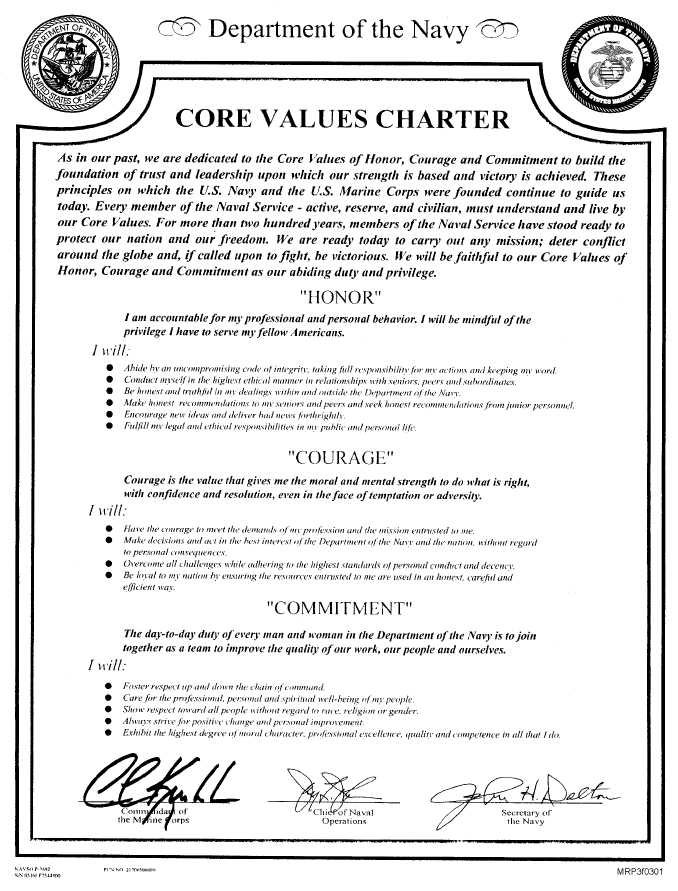
“If the Navy holds a different value system than the society as a whole, then what is that value system, and how do we inculcate it into our Sailors, young and old, in order that we may be an effective institution?
We cannot be effective as a military force if we simply accept, and so adopt, the liberal trends in society as a whole.
Our problem is we can’t even articulate the necessary Navy value system for ourselves, let alone lay it out in a convincing coherent way for the Sailors, Chiefs, and officers of our Navy. This we must do.”
Smart Flag officer ~ circa 1979.
One of the guys that I feel truly honored to be associated with has some critical leadership traits that more of our cryptologists need to embrace. Here are the traits that he has which have made him more significant in our Navy:
Thanks Shipmate. You know who you are. And, so does most everyone else.

“Few people think more than two or three times a year; I have made an international reputation for myself by thinking once or twice a week.”

“Leadership must be based on goodwill. Goodwill does not mean posturing and, least of all, pandering to the mob. It means obvious and wholehearted commitment to helping followers. We are tired of leaders we fear, tired of leaders we love, and most tired of leaders who let us take liberties with them. What we need for leaders are men of the heart who are so helpful that they, in effect, do away with the need of their jobs. But leaders like that are never out of a job, never out of followers.”
Information Warfare (IW) – (1810). Applicants within this community will be considered from any designator. Primary consideration should be given to sustained superior performers with the skills, education, and background to contribute to the IW core competencies of Signals Intelligence (SIGINT), Electronic Warfare (EW), and Computer Network Operations (CNO).
The IW community has technical leadership opportunities for officers with undergraduate and graduate degrees in the following preferred fields of study: electrical engineering, systems engineering, computer engineering, physics, mathematics, or computer science. Experience and certifications gained outside traditional academic venues should also be recognized and considered by the Board.
From the Lateral Transfer Board Precepts.
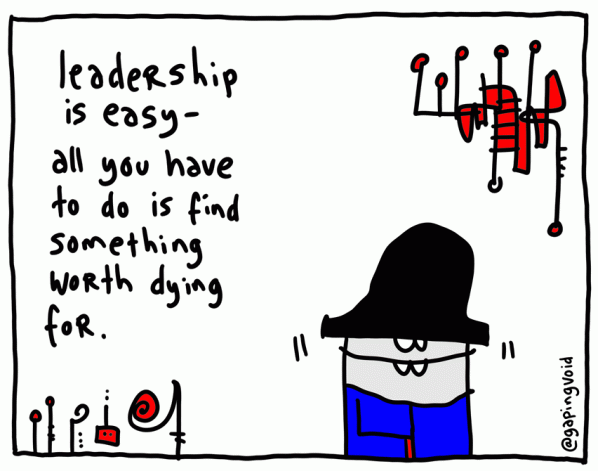

From “The Top 10 Lessons Steve Jobs Taught Us”
 I Like The Cut of His Jib